Quality & production
Waterproof is a process, not a coating.
A bag either keeps water out at the seam, the zip and the base — or it does not. This page describes what we actually control on the line, and what we test before a carton is closed.
The critical joint
The weld is where waterproofing is won or lost.
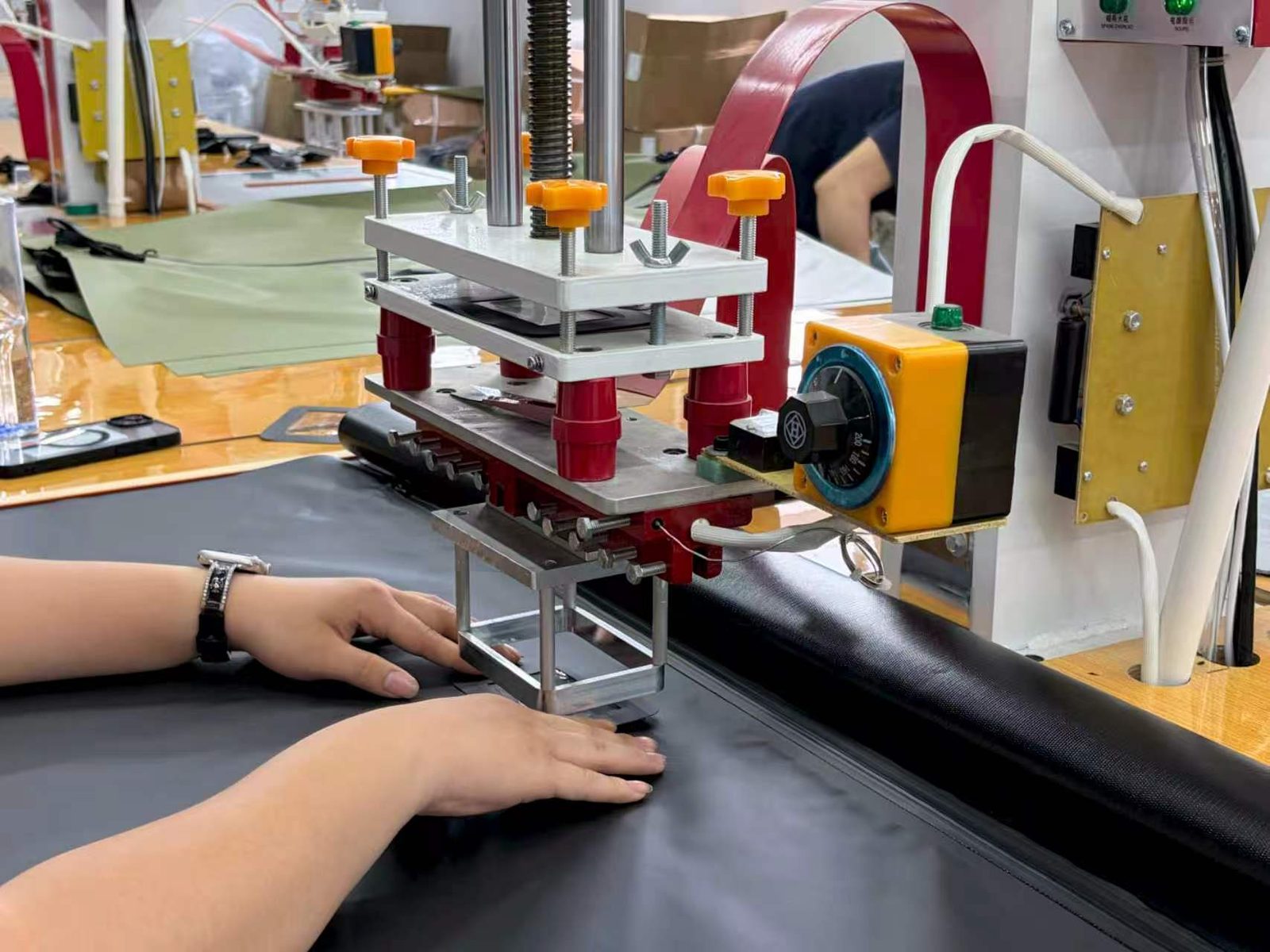
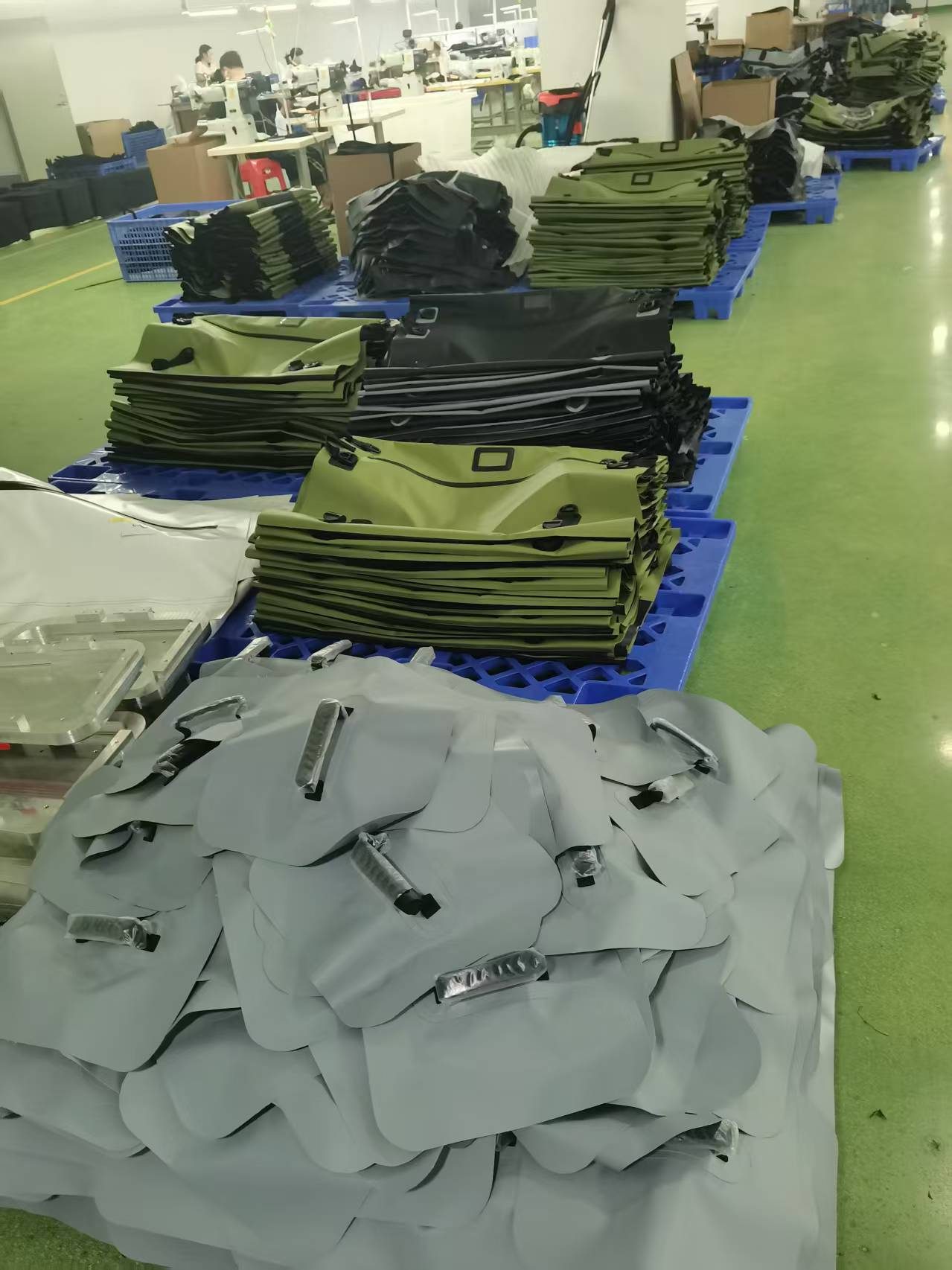
Our RF welding line runs with voltage and temperature controlled through the full cycle. That keeps the welded face at an even wall thickness — no thin spot that passes inspection today and leaks after a season of use.
Where a seam is stitched rather than welded, the seam is engineered for the load path, not just for appearance: reinforcement, seam tape and bar-tack placement are specified per panel.
RFWelding line, controlled cycle
24 hSoak test, airtight check
Process
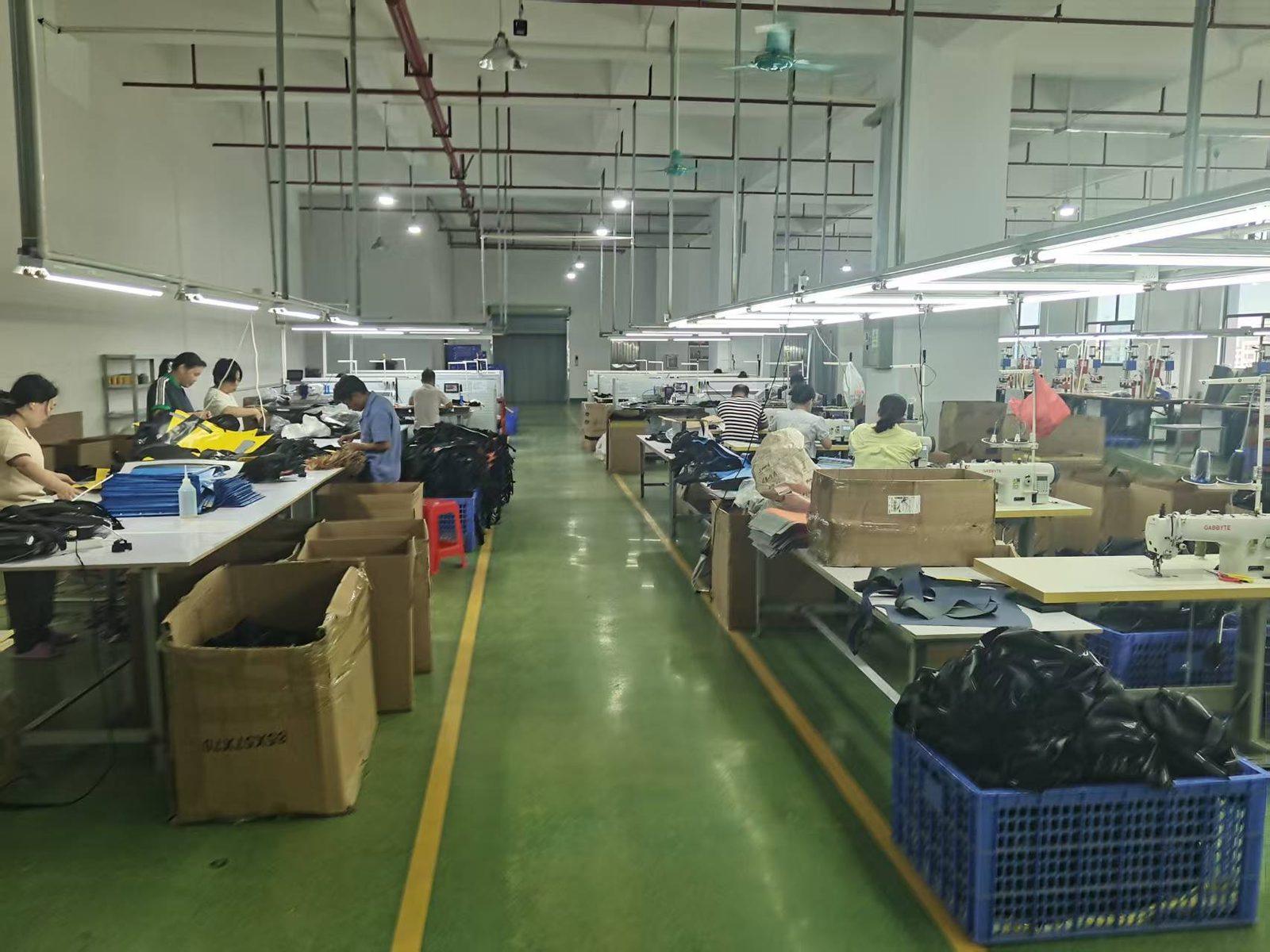
Seven checkpoints between fabric and carton.
Nothing here is exotic. It is the routine that keeps a waterproof product consistent from the first article to the tenth reorder.
Incoming fabric check
Laminated PVC and TPU are checked for weight, coating adhesion, surface defects and colour against the approved standard before cutting.
Cutting & panel prep
Panels are cut to the pattern, with the grain and coating side controlled. Base panels receive the four-layer reinforcement for abrasion and load.
RF welding
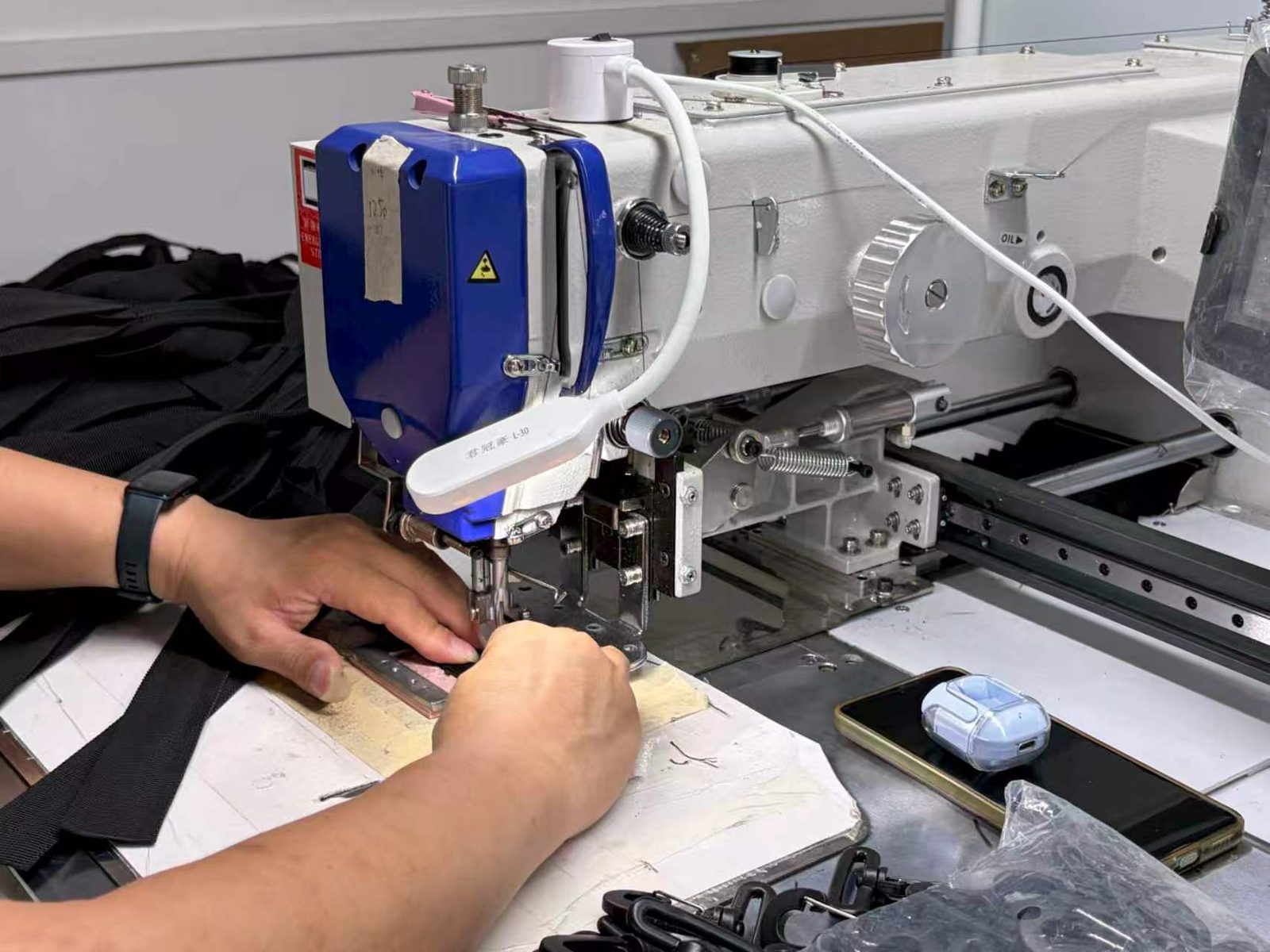
Seams are welded on the high-frequency line under controlled voltage and temperature, then visually and physically checked for complete fusion.
Stitching & assembly
Precision stitching line for webbing, zips, linings and hard-wearing joints. Zips are cycled to check slider travel and seam alignment.
Water immersion test
Finished waterproof models are loaded and immersed. A dry interior after the soak is the pass condition; suspect units are rechecked and rejected.
Salt spray & wear test
Coastal and marine models are salt-spray checked. Closures and sliders go through repeated open-close cycles to expose wear before the customer does.
Final inspection & packing
Count, appearance, labelling and carton condition are checked against the packing list. Photos of the packed goods are kept before the container is loaded.
Tests by system
Different trips, different failure modes.
A roof bag and a lure pack do not fail for the same reason. Test emphasis follows the use.
| System | Primary stress | What we check |
|---|---|---|
| Car travel | Load, wind, rain | Welded base seam, strap and buckle strength, high-speed water spray |
| Water sports | Immersion, pressure | Soak test, airtightness after 24 h, roll-top closure, seam fusion |
| Angling | Puncture, salt | Face-fabric puncture resistance, slider endurance, stainless hardware, salt spray |
| Camping | Abrasion, cold load | Base abrasion, structural shaping, insulation and cooler closure |
TBC
Test standards, pass thresholds and report formats are not published in the company brochure. Ask the export desk for the protocol used on your product before you write it into a purchase specification.
Certifications & test reports
Material compliance, document by document.
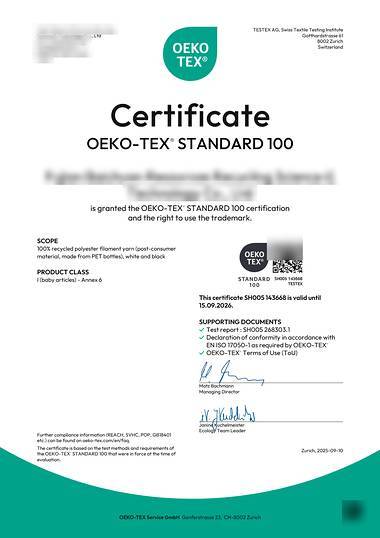
Six material-compliance documents from our fabric and component partners. Previews are low-resolution first pages: the issuing lab, report layout and date stay recognisable, while supplier names, addresses and QR codes are removed.
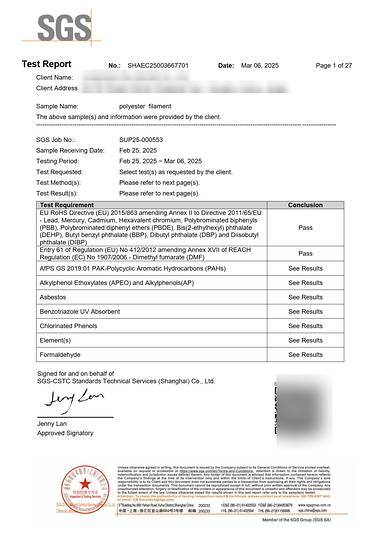
SGS RoHS
Issued by SGS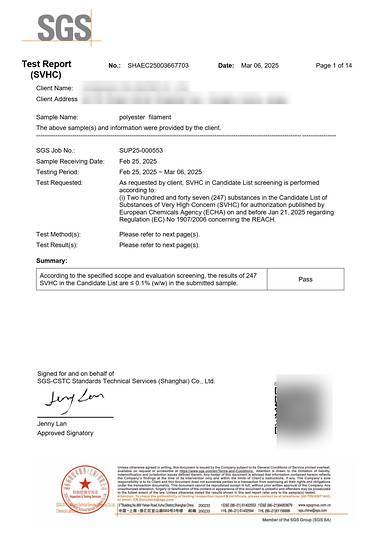
SGS SVHC screening
Issued by SGS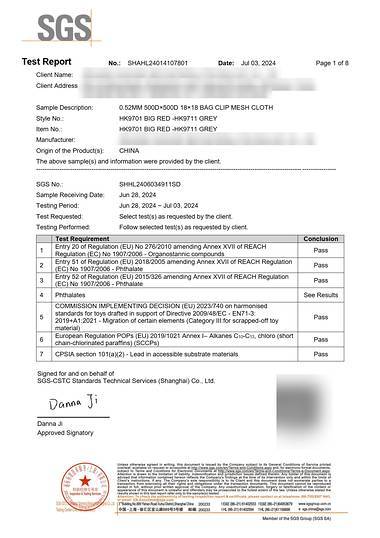
SGS REACH
Issued by SGS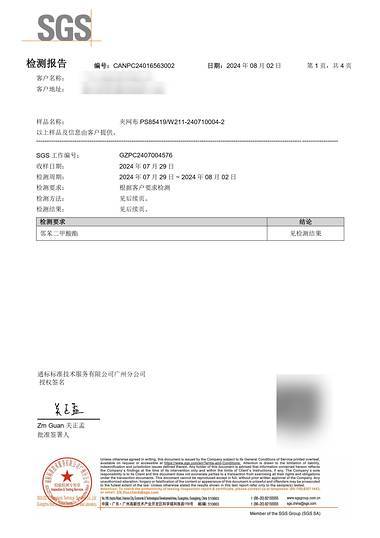
SGS Phthalates
Issued by SGS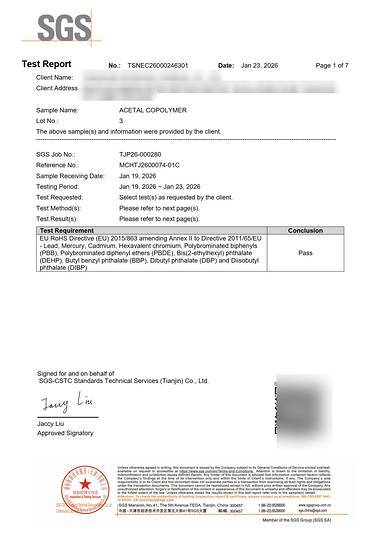
SGS RoHS
Issued by SGS
Scope
These are material-level reports issued to our fabric and component suppliers — not factory management-system certificates. No ISO 9001 or similar certificate is included in this set. We publish low-resolution first pages only; full reports are not published.
Buyer questions
What importers ask first.
What is the MOQ?
It depends on construction, material and colour count. MOQ is quoted per project rather than published as a single number — send the SKU or reference and target volume and we will confirm.
Can we order our own colours and logo?
Yes. Colour matching is done against a physical standard, and logo placement is confirmed on the sample. OEM and ODM programs both run through the same sampling process.
Do you supply samples before a bulk order?
Yes. A sample is built on the production line so the approved item reflects real materials and seam construction. Sample cost and timing are confirmed with the quotation.
How is the order packed and shipped?
Cartons and labels are prepared to the customer's format, with a packing list and loading photos. Shipping terms are agreed per order.
Can you produce a size that is not in the catalogue?
Yes. The catalogue is a reference range; custom dimensions follow the same material and seam specification, subject to a construction review.
Need a test protocol before you commit?
Tell us the product, the market and the standard you work to. We will answer with what we can test in-house and what needs a third-party laboratory.